
Tendercare is proud to supply Kinetic Balance positioning products: a comprehensive range of belts and harnesses engineered for exceptional safety, durability, and daily ease of use.
Designed with meticulous attention to detail, every component prioritises user comfort while maintaining a refined aesthetic. From protective pocketed buckles and water-repellent fabrics to non-slip inner grip linings that preserve postural alignment, these harnessing solutions deliver reliable, clinical-grade support.Key Product Features:
Poor seating posture can lead to chronic discomfort and affect essential functions like circulation, digestion, and breathing. While a properly tailored wheelchair forms the foundation of good posture, standard seating alone cannot always correct postural deviations. Tendercare supplies Kinetic Balance belts and harnesses engineered to stabilise alignment and enhance daily comfort.

Combines dynamic comfort with clinical stability, available in stretch and reinforced non-stretch variants.
Stretch Options: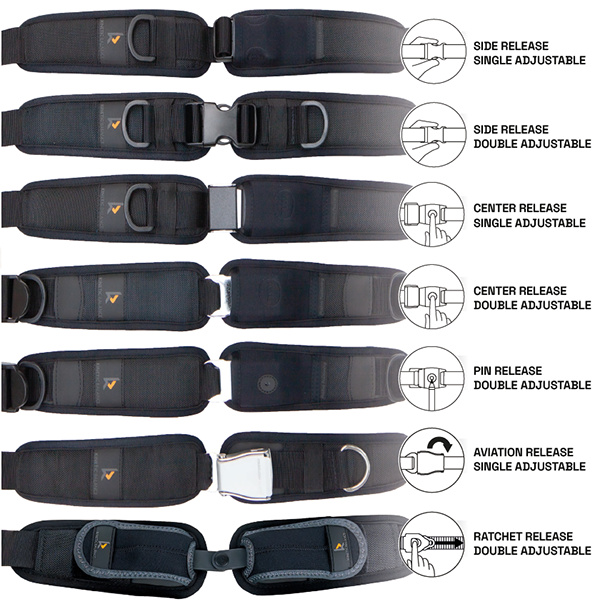
Delivers targeted pelvic support with single/double adjustments and various buckle configurations.
Postural Challenges Resolved: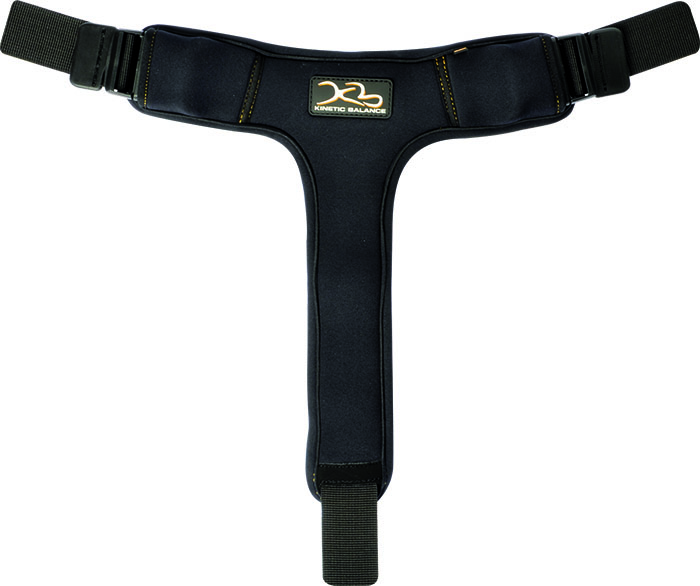
Secures the pelvis in a neutral stance—the primary foundation for proper trunk and leg positioning.
Product Features: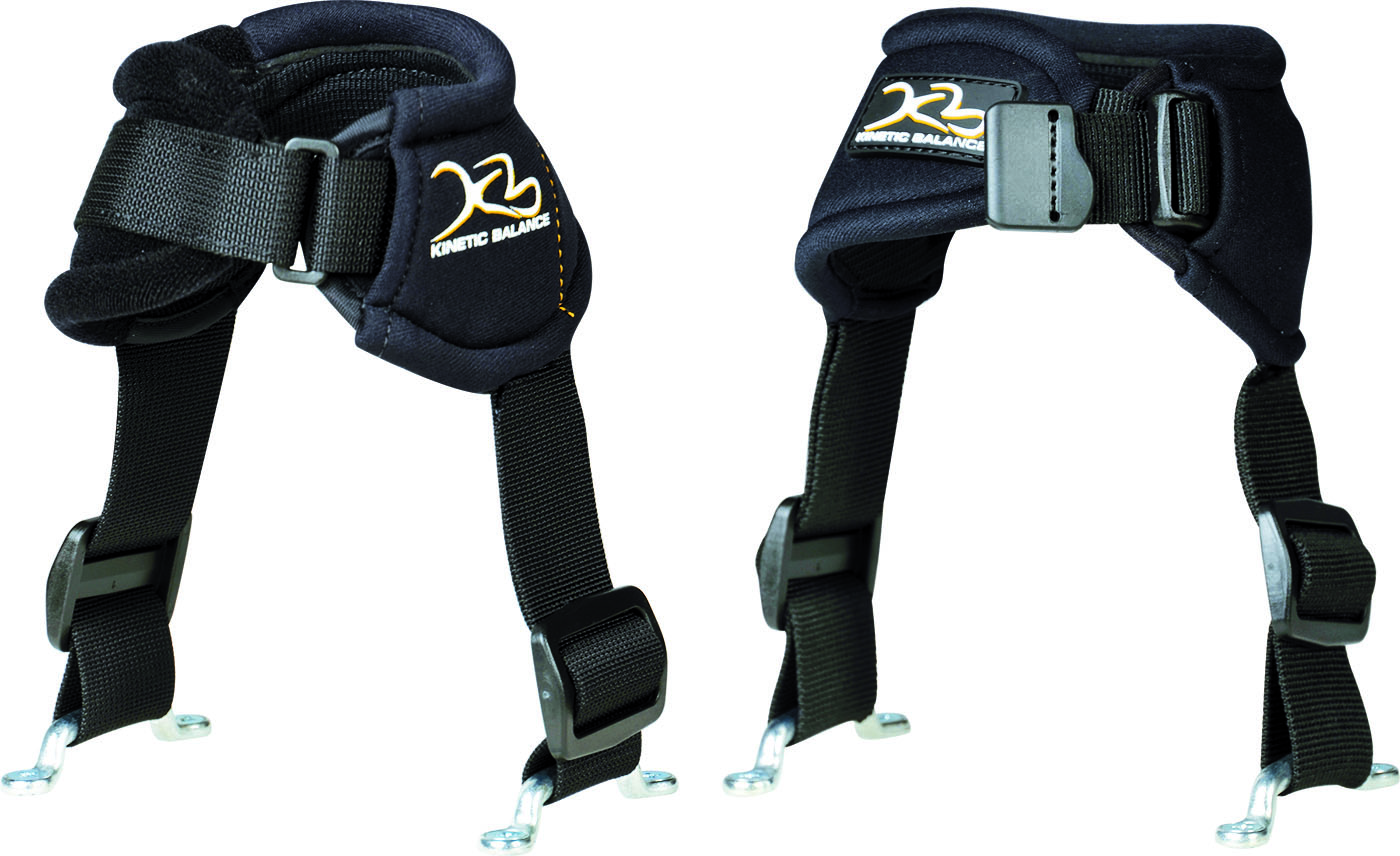
Secures lower limbs directly to footrests, maintaining consistent leg alignment throughout the day.
Key Benefits: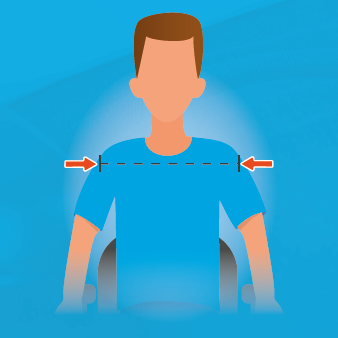
Anterior Trunk Support: The shoulder width shall be measured as shown. Stretch harnesses are designed to simultaneously provide postural support and freedom of movement.
| Size | Measurement (mm) |
|---|---|
| Extra Extra Small (XXS) | 200 - 240 |
| Extra Small (XS) | 240 - 310 |
| Small (S) | 310 - 400 |
| Medium (M) | 400 - 460 |
| Large (L) | 460 - 520 |
| Extra Large (XL) | 520 - 550 |
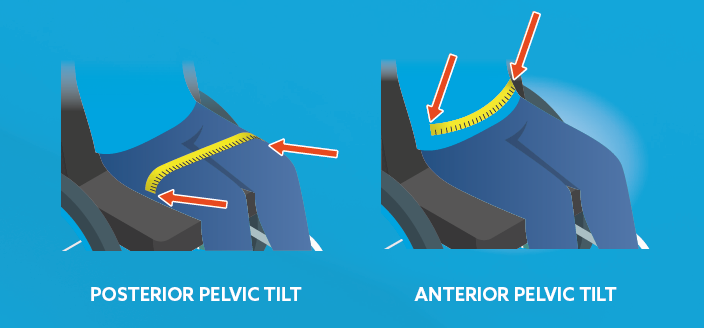
Posterior Pelvic Tilt:
The distance from the lateral side of one thigh to the lateral side of the other thigh shall be measured with a flexible tape measure.
Anterior Pelvic Tilt:
For a support managing anterior pelvic tilt, the distance from one lateral side of the pelvis horizontally level with the ASISs to the other lateral side at the same level shall be measured with a flexible tape measure.
| Size | Measurement (mm) |
|---|---|
| Extra Small (XS) | 360 - 410mm |
| Small (S) | 360 - 410 |
| Medium (M) | 450 - 500 |
| Large (L) | 570 - 620 |
| Extra Large (XL) | 670 - 720 |
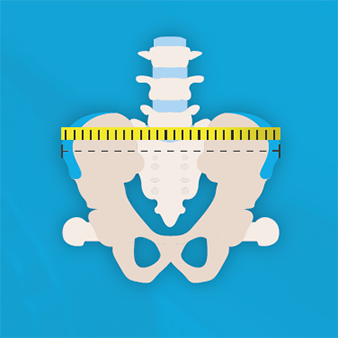
Posterior Pelvic Tilt & Anterior Pelvic Tilt: The position of the pelvis should be assessed by measuring the distance between the two Anterior Superior Iliac Spines (ASIS).
| Size | Measurement (mm) |
|---|---|
| Small (S) | 135 - 185 |
| Medium (M) | 190 - 240 |
| Large (L) | 270 - 320 |
| Extra Large (XL) | 370 - 420 |
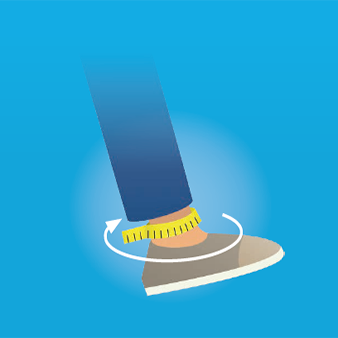
The circumference above the ankle bone shall be measured with a flexible tape measure. The circumference shall be measured with the user wearing shoes and ankle foot orthoses (AFOs) if these are typically worn in the seating system.
| Size | Measurement (mm) |
|---|---|
| Extra Small (XS) | 190 - 220 |
| Small (S) | 220 - 250 |
| Medium (M) | 270 - 300 |
| Large (L) | [Insert Range] |
| Extra Large (XL) | 300 - 330 |